
Ambient music is atmosphere-first sound that stays around your attention instead of demanding it, which is why it works for focus, winding down, and sleep. If you’re deciding between ambient, chill music, or a generator workflow, the real difference is whether the track needs to disappear into the background or carry a little more beat and energy. This guide walks through the sounds, settings, and use cases that matter most—and shows how to sketch a custom calm track fast if you want one.
From here, we move from the broad definition into the practical part: how to tell ambient from chill music, which sounds actually help with sleep or focus, and where MelodyCraft fits if you want to make a custom track instead of browsing endlessly.
What is ambient music (and what makes it “ambient”)?
Ambient music is music built to shape a mood and a space more than to deliver a hook, lyrics, or a strong beat. Think of it as a “sonic environment”: it can be beautiful when you focus on it, but it’s equally useful when you don’t—as background for reading, working, meditating, or sleeping.
What makes something feel truly ambient usually comes down to how little it competes for your brain’s language and rhythm processing. In practice, ambient music often:
prioritizes texture and tone over melody
uses slow movement (few sudden changes)
avoids prominent vocals or attention-grabbing leads
leans on space (reverb, long tails, wide stereo)
feels continuous, like weather or a landscape
If you’re trying to recognize ambient music by ear, it commonly “sounds like”:
a floating bed of sound rather than a verse/chorus structure
long notes that blend together (no sharp start/stop)
soft edges from reverb and delay
gentle organic detail (wind, rain, room tone, tape hiss)
minimal “front-and-center” elements

Common ambient music ingredients: drones, pads, reverb, field recordings
A useful way to understand ambient music is to map the feeling to the production ingredient:
“Floating / weightless” → long pads + slow attack envelopes + wide stereo
“Infinite space” → big reverb (long decay) + filtered highs to keep it soft
“Calm and steady” → sustained drones (one or a few notes) with tiny changes over time
“Like being somewhere” → subtle field recordings (rain, café hum, ocean, forest)
“Warm / comforting” → gentle saturation + rolled-off high end + lower mid emphasis (carefully)
Mini glossary (quick, practical):
Drone: a sustained note (or cluster) that doesn’t “resolve” like a normal chord progression.
Pad: a soft synth or instrument layer with slow attack/release that fills space behind everything else.
Ambient subgenres people actually search for (drone, space, dark, nature ambient)
If “ambient music” feels too broad, these subgenres match how people search—and each fits different situations:
Drone ambient
Best for: deep work, reading, “mind quieting” Sounds like: long sustained tones, minimal melody, very slow evolution
Space ambient
Best for: creative work, journaling, late-night walks, relaxation Sounds like: airy pads, shimmering delays, wide stereo, “cosmic” textures
Dark ambient
Best for: intense focus (some people), horror writing, game design, mood setting Sounds like: lower pitches, tension, rumble, sparse textures (not always “scary,” but heavier)
Nature ambient
Best for: sleep routines, anxiety reduction, background during breaks Sounds like: rain/forest/ocean layers, soft drones, very gentle progression
Ambient music vs chill music: what’s the difference (beat, BPM, listening purpose)?
Ambient music and chill music overlap in “relaxing vibes,” but they’re built for different kinds of attention. Ambient typically aims to disappear into the background, while chill music often aims to feel good to listen to—with more groove, structure, and sometimes vocals. A helpful deeper comparison is outlined in this guide on key differences between chill music and ambient music.
Here’s a practical, listen-first comparison:
Where do chillout / downtempo / lo-fi fit?
Chillout is an umbrella vibe: relaxed, mellow, easy listening.
Downtempo is a tempo-and-groove idea: slower electronic music with beats.
Lo-fi is more about texture and aesthetics (noise, tape feel, “imperfect” tone) and can sit inside chill, hip-hop instrumentals, or even ambient—depending on whether a beat is central.

Is lo-fi the same as chill music? (and where does ambient fit)
Same: Lo-fi and chill music both often aim for comfort, low intensity, and repeatability—great for study sessions or winding down.
Different: Lo-fi usually has a recognizable beat and groove (think “chill beats”), plus a nostalgic texture. Ambient may share the texture—but often removes the beat, reduces melody, and avoids “events” that pull attention.
How to choose (fast):
If you like a gentle head-nod rhythm, choose lo-fi/chill music.
If you hate drums, choose ambient (especially drone or nature ambient).
If you get distracted by vocals, pick instrumental chill or no-vocals ambient.
If you’re doing reading-heavy work, ambient often wins because it stays out of language processing.

Make ambient music in minutes
Turn a simple idea into a calm track for sleep, focus, or relaxing background use.
Is ambient music good for studying and deep work?
Yes—if you choose the right kind of ambient music and keep it at a low, steady level. No—when the track has big dynamic swings, attention-grabbing sound effects, or a melody you can’t stop following.
Research-focused summaries often highlight a key pattern: lyrics can interfere with tasks that use language, like reading comprehension or writing. If you’re studying, that’s a strong reason to prefer ambient music (or instrumental tracks) over vocal-heavy playlists. For an accessible overview of how music can help or hinder studying, see Healthline’s breakdown.
A quick “study scenario selection” checklist:
Reading dense text / writing essays: drone ambient, nature ambient, minimal piano ambient (no vocals)
Math / coding / repetition tasks: ambient or chill beats (soft beat, low variation)
Brainstorming / design: space ambient or chill music (more movement can help creativity)
Group study / shared spaces: ambient at low volume (less polarizing than beats)
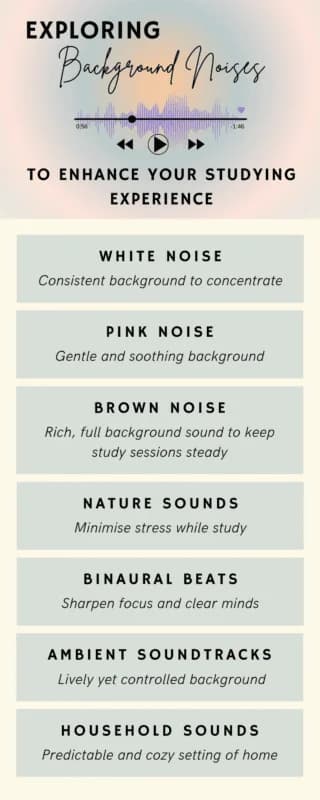
Best ambient music for studying: what to look for (no lyrics, steady dynamics)
Use this copy-paste checklist when you’re auditioning ambient music for studying:
[ ] No lyrics / no speech samples
[ ] Steady dynamics (no sudden loud hits, no big drops)
[ ] Soft transients (few sharp clicks, snaps, loud percussion)
[ ] Low-to-moderate brightness (not a lot of piercing highs)
[ ] Loop-friendly (feels continuous, not “song ending” every 3 minutes)
[ ] Sparse melody (or none) so your brain doesn’t “sing along”
[ ] Consistent texture (small changes are fine; surprises are not)
The 30-second distraction test: start the track, begin your task, and ask yourself after 30 seconds—did you notice a “moment” in the music? If yes, it may be too eventful for deep work.
How loud should ambient music be for focus?
For focus, ambient music works best when it’s quiet enough to be ignored yet present enough to mask small distractions. A practical target for many people is roughly 40–55 dB (quiet room to soft conversation range), depending on your environment and headphones.
Easy “body-based” references:
If you can clearly hear every detail, it’s probably too loud for deep work.
If it feels like a soft air conditioner / distant rain, you’re close.
On a phone with typical earbuds, many people land around 15–35% volume (varies a lot by device and headphones).
Protect your hearing: avoid long sessions at high volume, and don’t “fight” noisy environments by turning music up—consider noise isolation or changing spaces instead.
What ambient music works best for sleep (and what to avoid)?
The best ambient music for sleep is the kind that stays stable—volume, tone, and energy—so your brain doesn’t keep checking for changes. It’s also highly individual: there isn’t one perfect subgenre for everyone, but there are reliable principles. For a practical overview of how music interacts with sleep, see the Sleep Foundation’s guide to music and sleep.
Think in two phases:
Before sleep (wind-down): Use ambient music to lower stimulation. This is where gentle nature ambient or warm drone can help you transition out of “day mode.” Avoid bright, sparkly highs and anything with rhythmic build-ups.
After you fall asleep (maintenance): If you keep music playing, prioritize predictability: seamless looping, no track-to-track volume differences, no sudden intros/outros. Many people do better with simpler textures (or even noise) deeper into the night.
Common “avoid” list for sleep:
sudden rises in volume or intensity
dramatic chord changes or melodic hooks
vocals, spoken samples, or “ASMR jump cuts”
loud low-end rumble that vibrates the room (unless you personally find it soothing)
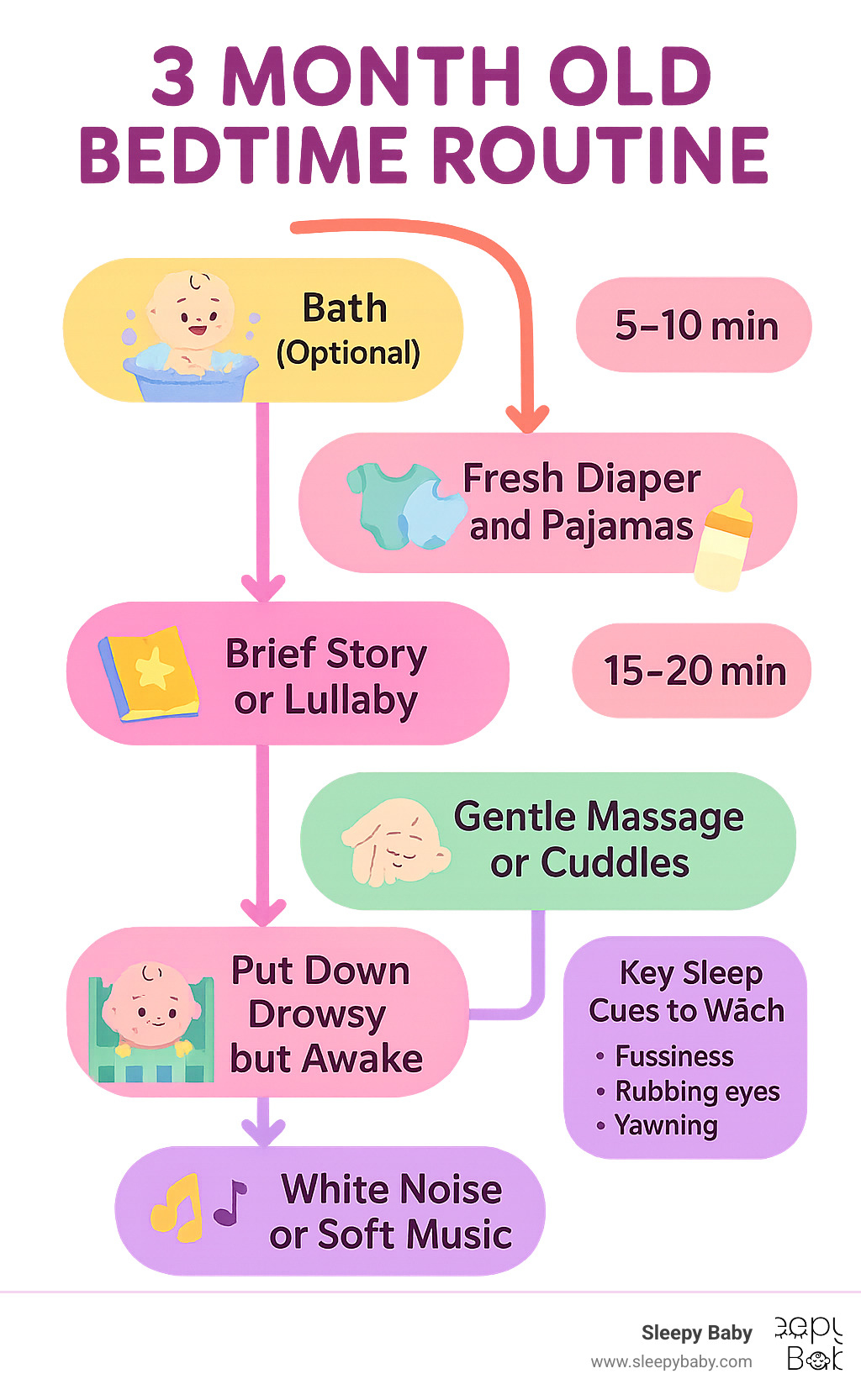
Sleep playlist checklist: volume, duration, low-frequency, gentle progression
A sleep-friendly ambient music playlist is less about “best tracks” and more about parameters you can control. Helpful principles are also discussed in sleep-music explainers like this guide on what works and why.
Use this checklist to build (or validate) your sleep playlist:
Volume: low and steady; aim for “barely there” once you’re in bed
Duration: 30–45 minutes for falling asleep (wind-down), or 8+ hours if loop-safe
Progression: gentle and predictable; no “big moments” every few minutes
Frequency balance: avoid harsh highs; keep low end controlled (no booming sub)
Transitions: crossfade or use single long tracks to prevent gaps
Three common mistakes (and fixes):
Too bright → choose warmer tracks or reduce treble / switch to nature ambient
Too loud → lower volume first before swapping tracks (many “bad tracks” are just too loud)
Has lyrics → switch to “no vocals / instrumental” versions
Ambient music vs white noise vs brown noise for sleep: how to choose
This is a real-world dilemma: some people sleep best to soundscapes (rain, ocean), while others need noise (white/brown) that hides unpredictable disturbances.
A simple decision guide:
If you get pulled into melody or harmony, try white noise or brown noise.
If you hate “static-like” sound, try nature ambient (rain/forest) or soft drone ambient.
If low rumbles feel comforting, brown noise may work better than white noise.
If you wake up to tiny sounds (doors, neighbors), noise often masks them more consistently than ambient music.
You can also blend: a very quiet ambient bed + a slightly stronger rain layer can be calming without being “musical.”
Where to find great ambient and chill music (YouTube, streaming, radio)
You can find excellent ambient music and chill music on almost any platform—but the trick is searching like a producer, not a casual listener. Your goal is to avoid ads, vocals, and sudden drops that break focus or sleep.
Platform-by-platform tips:
YouTube
Search for long-form mixes (“2 hours”, “8 hours”), add “no ads” or “no vocals,” and check comments for “timestamp warnings” (people will mention sudden loud parts). Prefer creators who list track names and keep consistent loudness.
Spotify / Apple Music / Deezer
Look for editorial playlists plus niche curator lists. Use “radio” features after you find one track that truly works, then save the best finds into your own “safe” playlist.
Internet radio / 24/7 streams
Great for discovery, but less predictable. If you’re sensitive to surprises, record the names of “safe tracks” and rebuild a stable playlist.
Small workflow that pays off:
Save 10 “safe” tracks → Loop them for work blocks → use Sleep timer at night
If your platform supports it, enable crossfade (helps prevent jarring transitions)
Search terms that actually work (deep ambient, study ambient, chill beats, sleep ambient)
Copy/paste these keyword templates and swap the bracket terms:
study ambient [no vocals] [2 hours]deep ambient drone [seamless loop]nature ambient rain [8 hours]sleep ambient [instrumental] [no ads]space ambient [long mix]chill beats [instrumental] [90 bpm]lo-fi [no vocals] [focus]downtempo chill [soft drums]
Extra filters that help fast:
add instrumental, no vocals, no talking
add seamless loop, continuous, no sudden drops
add for reading (usually calmer than “for gym” or “for study” mixes)
How to avoid distracting tracks (vocals, sudden drops, jump-scare FX)
People commonly complain about the same “focus killers”: a random vocal line, an unexpected beat switch, or a loud cinematic hit that feels like a jump scare. Threads like this discussion on music for deep focus capture the vibe: you want consistency, not surprises.
Five filtering rules that work across platforms:
Avoid tracks with featured artists (higher chance of vocals) unless you know it’s instrumental.
Skip anything labeled “edit,” “remix,” or “VIP” for sleep/focus (often includes drops).
Prefer long tracks (10–60 minutes) over 2–3 minute songs for deep work.
Check the waveform/preview: spiky peaks often mean sudden hits or loud transitions.
If you hear a hook in the first 20 seconds, it’s likely to become mental “earworm” later.
How to create ambient music without expensive gear: a simple layering workflow
You don’t need a studio to create ambient music—you need a layering mindset. The easiest beginner workflow is a “4-layer method” that keeps your track full, calm, and controllable.
The 4-layer method (simple signal flow)
1) Bed layer (air / noise floor)
Options: gentle noise, vinyl/tape hiss, very quiet room tone
Processing: high-pass to remove rumble; keep it subtle
2) Harmony layer (pads / sustained chords)
Options: soft synth pad, e-piano pad, strings pad
Processing: reverb + light EQ (roll off harsh highs)
3) Texture layer (motion without rhythm)
Options: granular shimmer, filtered field recordings, slow-moving synth texture
Processing: slow auto-pan, subtle chorus, light delay
4) Accent layer (rare ear candy)
Options: distant bell, soft piano note, reversed swell
Processing: keep it quiet; low-pass if it’s too bright
Quick “flowchart” you can follow: Bed → Harmony → Texture → Accents → (gentle bus reverb) → limiter (light)
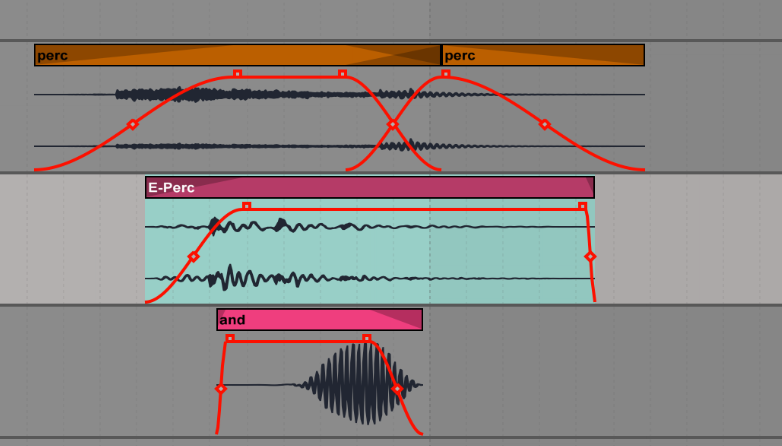
Beginner-friendly ambient music chain (pad → reverb → delay → gentle modulation)
A reliable starter effects chain for ambient music is simple—and forgiving:
Pad / drone source (synth, piano pad, strings)
EQ (clean-up first)
starting point: high-pass around 80–150 Hz to reduce mud (adjust by ear)
Reverb (the “space”)
starting point: decay 6–12s, mix 15–30%, pre-delay 10–30ms
Delay (slow echoes, low feedback)
starting point: dotted 1/8 or 1/4 feel, feedback 10–25%, low-pass the repeats
Gentle modulation (chorus/phaser)
starting point: slow rate, low depth, just enough to keep it alive
The rule that prevents most ambient from becoming stressful: keep dynamics smooth. If your pad swells from whisper to loud every few seconds, it will keep tapping your attention.
Field recordings for ambient music: rain, café, ocean—how to use them tastefully
Field recordings can make ambient music feel instantly immersive—if they stay in the right “role.”
A clean mixing mindset is foreground vs background:
Background field recording: sets place and mood (rain bed, distant café hum). Keep it low, filtered, and stable.
Foreground field recording: occasional detail (a single bird call, a wave crash). Use sparingly or it becomes narrative—and distracting.
Three common mistakes (and fixes):
Mistake: field recording is too loud
Fix: drop it until it’s felt more than heard; then add a little reverb so it blends.
Mistake: harsh high-frequency hiss (fatiguing)
Fix: low-pass slightly (or reduce 6–10 kHz), and cut any piercing resonances.
Mistake: the recording “pumps” with compression
Fix: avoid heavy compression; use gentle leveling or automation instead.
How to use a music generator to make ambient and chill tracks fast
A music generator is ideal when you want the result (a safe loop for a video, a custom sleep bed, background music for a podcast) without learning synthesis, mixing, and arranging. It’s especially useful for non-musicians, content creators, meditation channels, and anyone who needs multiple variations quickly. If you’re comparing options, the MelodyCraft pricing page helps you see what export length and usage rights you get before you publish.
A good starting point to understand what “ambient generation” looks like is this ambient music generator page, but the workflow below applies to most tools—including AI-assisted creation in apps like MelodyCraft.
A 5-step workflow: goal → input → generate → iterate → export

Define the goal in one line
Example: “45-minute sleep ambient, warm, no vocals, seamless loop.”
Choose constraints (the secret weapon)
vocals: off
movement: low
brightness: low/medium
beat: none (ambient) or soft (chill)
Generate 3–6 variations
Don’t overthink the first one—your goal is options.
Iterate using specific feedback
Replace vague notes (“more relaxing”) with actionable ones:
“less high end”
“no bell sounds”
“slower harmonic movement”
“reduce percussion intensity”
Export with the right format
Make it loopable, consistent loudness, and long enough for the platform.
Prompt formula for ambient music (mood + texture + movement + length + no vocals)
A prompt that reliably works for ambient music includes: mood + texture + movement level + duration/loop + no vocals
Copy-ready ambient prompts (edit the bracket parts):
Warm drone ambient, soft pads and tape hiss, very slow evolution, no vocals, seamless loop, 30 minutesNature ambient soundscape with gentle rain texture, subtle low drone, no melody, no vocals, 45 minutes, smooth dynamicsSpace ambient with airy pads, shimmering reverb, minimal movement, no drums, no vocals, seamless loop, 20 minutesDeep ambient for studying, low information, no lead melody, soft analog pad, no vocals, 60 minutes, stable volumeDark ambient (calm, not scary), low drones, distant textures, no percussion, no vocals, 25 minutes, slow changesMeditation ambient, sustained harmonics, wide stereo, slow breathing-like swells, no vocals, 30 minutes, no sudden transitionsSleep ambient, warm and dark tone, minimal highs, continuous texture, no vocals, 8 hours, loop-safeDrone + field recording blend: ocean bed very subtle, soft pad harmony, minimal movement, no vocals, 40 minutes
Chill music prompt examples (soft beat, BPM range, instruments, “lo-fi” variants)
Chill music doesn’t automatically mean “no beat”—it usually means soft beat + low intensity + mellow tone. When prompting, specify BPM, drum intensity, vocals, and lead instruments.
Parameter-style prompt patterns:
BPM: 80–100 for relaxed head-nod; 60–80 for extra mellow
Drums: “soft kick/snare,” “light hats,” “brush percussion,” or “no drums”
Vocals: “no vocals” for focus, optional for casual listening
Main instruments: Rhodes, soft guitar, muted keys, gentle synth lead
Copy-ready chill prompts:
Chill music, lo-fi texture, 90 BPM, soft drums, warm Rhodes chords, vinyl crackle, no vocals, 3 minutesDowntempo chill, 80 BPM, minimal beat, mellow bass, airy pads, no vocals, smooth mixChill beats for studying, 95 BPM, light percussion, no lead melody, instrumental only, steady dynamicsChill music (not lo-fi), 100 BPM, clean mix, soft guitar and keys, no vocals, calm grooveLo-fi chill, 75 BPM, extra soft drums, warm saturation, no vocals, loopable 10 minutes
Export settings for creators (YouTube, podcasts, meditation apps): loopable, -14 LUFS target
If you publish ambient music or chill music, consistency matters more than “loud.” A practical loudness target many creators use online is around -14 LUFS integrated for general streaming-style playback, with no clipping and controlled peaks (especially if your track is meant to sit under voice).
Can you use AI-generated ambient music commercially? What to check before publishing
You can often use AI-generated ambient music commercially, but you should treat it like any licensed asset: verify rights, document what you used, and plan for platform checks. Because terms vary by tool and can change, rely on a universal pre-publish checklist rather than assumptions.
Commercial-use checklist (tool-agnostic):
License scope: does it explicitly allow commercial use (monetized YouTube, client work, apps)?
Attribution: do you need to credit the tool or creator account?
Exclusivity: can other users generate similar tracks (usually yes)?
Training/data statements: does the provider disclose anything relevant to your risk tolerance?
Content ID / claims: is there guidance for disputes or false claims?
Proof: keep export timestamps, project IDs, receipts, and license snapshots.
A simple “publish-ready” self-check:
[ ] I can point to a current license page (saved)
[ ] My track is original output from my account
[ ] I have a plan if a platform flags it (appeal steps + documentation)
Troubleshooting: why ambient or chill music feels boring, noisy, or stressful
If ambient music or chill music isn’t working for you, it usually means the track has the wrong information level (too much happening) or the wrong tone balance (too bright, too bass-heavy, too dynamic). Fixes are often quick—especially if you adjust volume before switching genres. General study-focused guidance on when music helps vs hurts is also discussed in resources like Healthline’s overview.
Problem: “It’s boring and I can’t stay engaged.” Try:
switch from drone ambient → space ambient (more movement, still no hard beat)
use chill music with a soft beat (80–100 BPM) for energy
add a light “environment layer” (rain/café) to make it feel present
Problem: “It’s noisy / messy / gives me a headache.” Try:
choose cleaner ambient (fewer layers) or reduce “lo-fi” artifacts
lower volume by 10–20% (often the real culprit)
avoid bright textures; search “warm ambient” or “dark ambient (calm)”
Problem: “It’s stressful or makes me anxious.” Try:
remove rhythm: switch chill → beatless ambient
pick nature ambient with predictable sound (steady rain > dramatic thunder)
avoid dissonant dark ambient; try “soft drone” instead
Problem: “It keeps distracting me.” Try:
use longer tracks (20–60 minutes) with fewer transitions
avoid vocal chops and cinematic FX
use crossfade and a curated “safe list”
If ambient music is distracting, try these switches (no melody, fewer transients, lower brightness)
When ambient music distracts, the fix is almost always: reduce information.
Try these switches in order (fastest wins first):
Lower volume first, then reassess (many tracks are fine when quieter).
Choose no melody (drone ambient > harmonic ambient > melodic ambient).
Reduce transients (avoid clicks, plucks, sharp percussion).
Lower brightness (search “warm,” “dark,” “low-fi but clean,” or EQ down highs).
Switch format: if music still pulls you in, move to brown noise or steady rain.
Which should you choose: ambient music, chill music, or a music generator?
Use this decision tree when you’re choosing between ambient music, chill music, and a music generator:
Goal: deep focus (reading/writing) → Ambient music (no vocals, minimal melody)
Goal: focus with energy (admin tasks, coding, light study) → Chill music (soft beat, no vocals)
Goal: sleep → Ambient music or brown/white noise (whichever keeps you stable)
Goal: content creation (YouTube, podcasts, meditation, apps) → Music generator (control + speed + export settings)
Quick comparison:
If you want the fastest path to a track that matches your exact use case—“study ambient, 60 minutes, no vocals, seamless loop” or “chill music, 90 BPM, soft beat”—a generator workflow can save hours of searching and skipping.
Make Ready-to-Publish Music in Minutes 🎵
Go from idea to finished track quickly. No technical skills required.