

If you want to get into jazz music, start with melodic, mid-tempo records like cool jazz, bossa, or smooth jazz—and don’t worry about understanding every solo on day one. If you want instrumental music for focus, prioritize steady rhythm, low dynamics, and minimal vocals; jazz works well as background music when it stays predictable. And if you’re using jazz in a business, video, or café setting, the biggest question is not taste—it’s licensing and whether the use counts as public performance. This guide shows what makes jazz recognizable, which styles beginners should try first, and how to choose chill music that truly stays in the background.
From here, we move from the “what is jazz” overview into the practical part: which textures stay out of the way, which styles are easiest to use as background music, and where MelodyCraft fits if you want to build a chill playlist instead of endlessly searching through tracks.
This guide shows you what makes jazz instantly recognizable, which styles beginners should try first, and how to choose chill music that truly stays in the background for work, studying, cafés, and content.

What is jazz music, and what makes it instantly recognizable?
Jazz music is recognizable less because of a single instrument (like saxophone) and more because of a few behavioral traits—how the rhythm moves, how melodies are treated, and how musicians interact. You can hear a jazz track for five seconds and often spot it through these cues:
Swing and elastic timing: the beat “leans” forward and back, creating bounce rather than a rigid grid.
Improvisation: the melody isn’t just repeated; it’s reshaped in real time through solos and variations.
Blues language: blue notes, expressive bends, and familiar tension/release patterns that feel soulful even when the harmony is complex.
Conversation between players: call-and-response phrasing, comping (supporting chords), and reactive drumming that sounds like a dialogue.
In plain listening terms: jazz often feels like it’s breathing—phrases land a little behind or ahead of the beat, and instruments take turns stepping into the spotlight while the rest of the band responds.
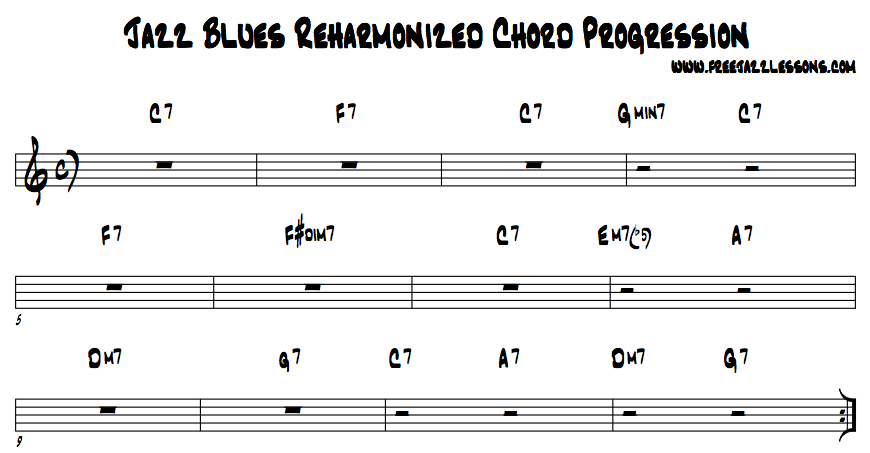
Swing vs straight rhythm: why jazz feels different even at the same tempo
At the same BPM, straight rhythm divides the beat evenly (think “1-and-2-and”), while swing stretches and compresses subdivisions so they feel more like “DAH-dah DAH-dah.” The tempo might be identical on paper, but the sensation isn’t: straight feels march-like and aligned; swing feels buoyant and conversational.
A quick mental example at 120 BPM:
Straight: your head nods evenly; the groove is clean and symmetrical.
Swing: your nod gets a tiny “skip” in it; notes feel like they’re leaning into each other.
Listening self-test (30 seconds): put on one straight pop beat and one swinging jazz standard at similar tempo. Which one makes you want to tap exactly on the beat (straight), and which one makes you tap around the beat (swing)? Your answer helps you pick better background music—some people focus better with straight, others with gentle swing.
Is jazz usually instrumental music (and when do vocals matter)?
Jazz is often instrumental music, but it’s not “instrumental by definition.” Vocal jazz—from classic standards to modern singers—can be as central as sax or piano. The real question is: do vocals help the mood, or steal attention from your task?
Use this simple rule:
If you want non-distracting background music (studying, writing, reading), choose instrumental jazz first.
If you still want voice, pick tracks with minimal lyrics or scat (wordless vocal improvisation), which tends to occupy less language-processing attention than full verses.
If you catch yourself silently “singing along,” it’s a sign your background music has become foreground music—switch to instrumental or reduce vocal presence.
Which types of jazz music should beginners try first (without getting overwhelmed)?
Beginners usually bounce off jazz because they start with the most demanding corner—very fast tempos, dense harmony, or long exploratory solos. A better approach is a beginner route map: start with accessible grooves and clear melodies, then slowly increase complexity.
Here’s a simple progression from easiest to more adventurous, using common style labels. For a deeper breakdown of styles (and how they relate), this overview of types of jazz music styles is a helpful reference.
Beginner-friendly route:
Cool jazz / West Coast: relaxed, airy, spacious—great for calm listening or light work.
Bossa nova / Latin jazz (lighter side): steady pulse, warm harmony—excellent café background music.
Smooth jazz: polished tone, consistent groove—good for focus because surprises are minimized.
Hard bop (select tracks): higher energy, bluesy drive—better for commuting than deep reading.
Jazz fusion: rock/funk elements, electric textures—fun, but can become “too interesting” as background.
Avant-garde / free jazz: intentionally unpredictable—amazing art, usually not ideal for background.
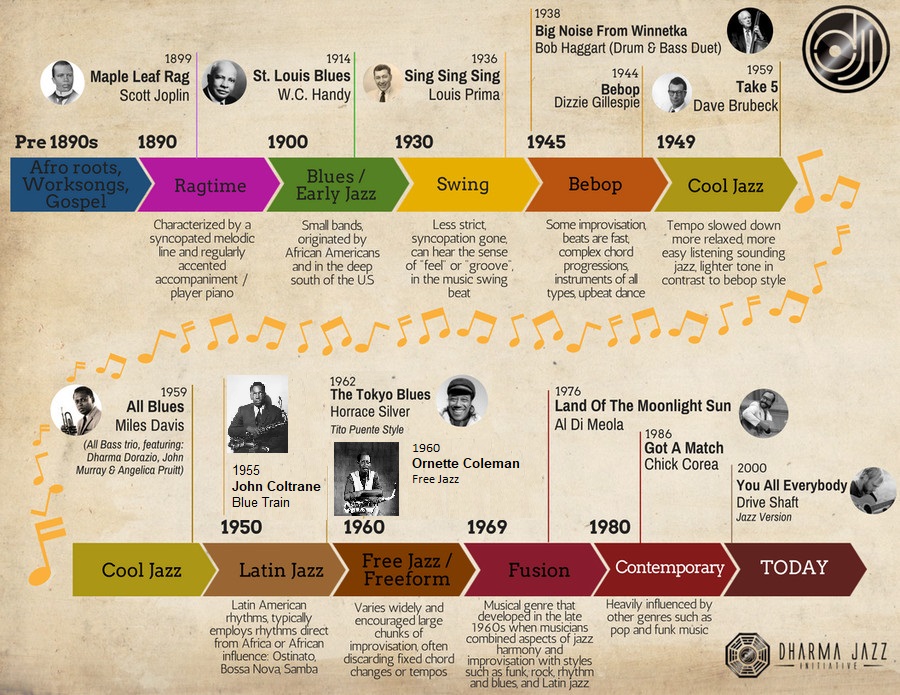
Cool jazz, hard bop, smooth jazz, jazz fusion—what each style feels like
You don’t need to learn the entire jazz family tree to enjoy jazz music. You just need a quick way to match feel to use case—especially if your goal is chill music or background music.
A practical shortcut: if you’re building a playlist for focus, start with cool or smooth, then “add spice” with a few hard bop tracks—only if they don’t spike your attention.
“Where should I start with jazz music?” a 10-track starter set (with reasons)
A good starter set is less about “the greatest ever” and more about stable tempo, strong melody, and listener-friendly recordings. Here are 10 widely recommended entry points—and why they work when you’re new:
Miles Davis — “So What”: spacious, unhurried, easy to follow.
Dave Brubeck Quartet — “Take Five”: catchy motif; the odd meter feels playful, not chaotic.
Chet Baker — “My Funny Valentine”: lyrical phrasing; soft dynamics for chill listening.
Bill Evans — “Waltz for Debby”: gentle swing; intimate trio balance.
Stan Getz & João Gilberto — “The Girl from Ipanema”: smooth bossa pulse; ideal café background.
Herbie Hancock — “Cantaloupe Island”: simple, memorable groove that bridges into funk.
John Coltrane — “Naima”: slow and melodic; great for late-night focus.
Duke Ellington — “In a Sentimental Mood”: classic tone; clear emotional storyline.
Oscar Peterson — “Hymn to Freedom”: uplifting, steady build without being jarring.
Ella Fitzgerald & Louis Armstrong — “Cheek to Cheek”: vocals that feel conversational (best for relaxing, not deep reading).
If you want a more album-focused path (with beginner-friendly picks curated for listenability), this guide to jazz albums for beginners is a solid next step.

Need a smoother jazz background track?
Sketch café jazz, smooth instrumental music, or late-night background tracks in a few clicks.
Want chill music? Jazz subgenres that work best as background music
“Chill music” is often described as a vibe, but for background music you can define it more precisely: low surprise per minute. The more sudden changes (volume jumps, dramatic solos, intense drum fills), the more your brain checks in.
Jazz can be incredibly chill—especially when:
tempos stay moderate,
the drummer plays consistently,
solos stay melodic rather than acrobatic,
dynamics don’t swing wildly.
Conversely, jazz becomes attention-grabbing when it’s very fast, very loud, or highly improvisational with sharp accents.
Lo-fi jazz beats vs traditional jazz: what changes (and why it feels ‘chill’)
Lo-fi jazz beats often feel calmer than traditional jazz because the goal isn’t performance virtuosity—it’s texture and loopability. It’s also worth noting: lo-fi is not always a strict “genre,” but more of an aesthetic and production approach (as explained in this overview of what lo-fi music is).
Common production choices that make lo-fi jazz beats feel chill:
Repetition and short loops: fewer “story arcs,” more steady ambiance.
Simplified harmony: jazzy color without constant chord surprises.
Regular drums: less push-pull than live swing; more predictable for work.
Noise and warmth: vinyl crackle, tape hiss, soft saturation that reads as “cozy.”
Traditional jazz can still work as background music—just choose recordings with restrained dynamics and less aggressive soloing (cool jazz and some bossa are reliable).
The best BPM range for focus (and when fast jazz becomes distracting)
BPM matters, but it’s not the whole story. A fast track with low dynamics can be less distracting than a mid-tempo track with huge volume spikes. Still, BPM is a useful first filter for background music—especially when you’re building a focus playlist.
Here’s a practical BPM guide by task (use it as a starting point, then run the 3-minute test later):
Reading / writing (language-heavy): ~60–90 BPM, or mellow mid-tempo with minimal accents
Design / coding (flow tasks): ~80–110 BPM, steady groove, low lyric content
Email / admin: ~90–120 BPM, slightly more movement is fine
Workout / cleaning: ~120–150 BPM, higher energy is helpful
When does fast jazz become distracting? Often when you get busy ride cymbal patterns, sharp snare accents, and solo peaks that demand attention—regardless of BPM.
Is instrumental music actually better for studying and work?
For many people, yes—instrumental music is often better for studying and knowledge work because lyrics compete with the same mental resources you use to read, write, and plan. Research summaries and practical guidance (like this overview on whether music helps you study) commonly point to the same pattern: the more verbal the music, the more likely it is to interfere with verbal tasks.
That doesn’t mean “no vocals ever.” It means you should match the music to the task:
Writing, reading, studying: prioritize instrumental or minimal-vocal tracks
Repetitive tasks: vocals can be fine if they boost mood and don’t cause mistakes
Brainstorming: light vocals might inspire, but test for distraction
If you’re writing or reading, avoid lyrics—here’s why (practical takeaway)
Lyrics are processed as language—even when you’re not paying attention—so they can hijack your inner narration. If you’re using jazz music as background music while doing deep reading or writing, these three adjustments are immediately useful:
Drop volume one notch: you should hear the groove, but not track the “story” of any instrument.
Choose tracks with stable sections: fewer dramatic intros, breakdowns, or big solo peaks.
Avoid prominent vocals (or heavy vocal samples): if there’s a lead voice, your brain will follow it.
Common misconception: “the quieter, the better.” Too quiet can backfire because you’ll keep checking whether the music is still playing, or you’ll notice every tiny change. Aim for consistent low-level presence, not silence.
Best background music by task: deep work, meetings, creative flow, winding down
Instead of searching for one perfect “study playlist,” use a scenario-based approach. Here’s a practical matrix you can apply to jazz, lo-fi, or any chill music category.
If you’re building playlists for ADHD-friendly focus, the same idea shows up frequently: structure and predictability matter as much as genre (see practical tips in focus-music guides like ADDitude’s coverage of music for focus).
How to choose background music that stays in the background (a 3-minute test)
Most playlists fail because people pick songs they love—and love is attention. Use this quick test to choose background music scientifically (in about three minutes), inspired by practical workflow advice like Soundstripe’s take on music for studying:
Start your task (reading, writing, coding) with a candidate track.
Set a 3-minute timer.
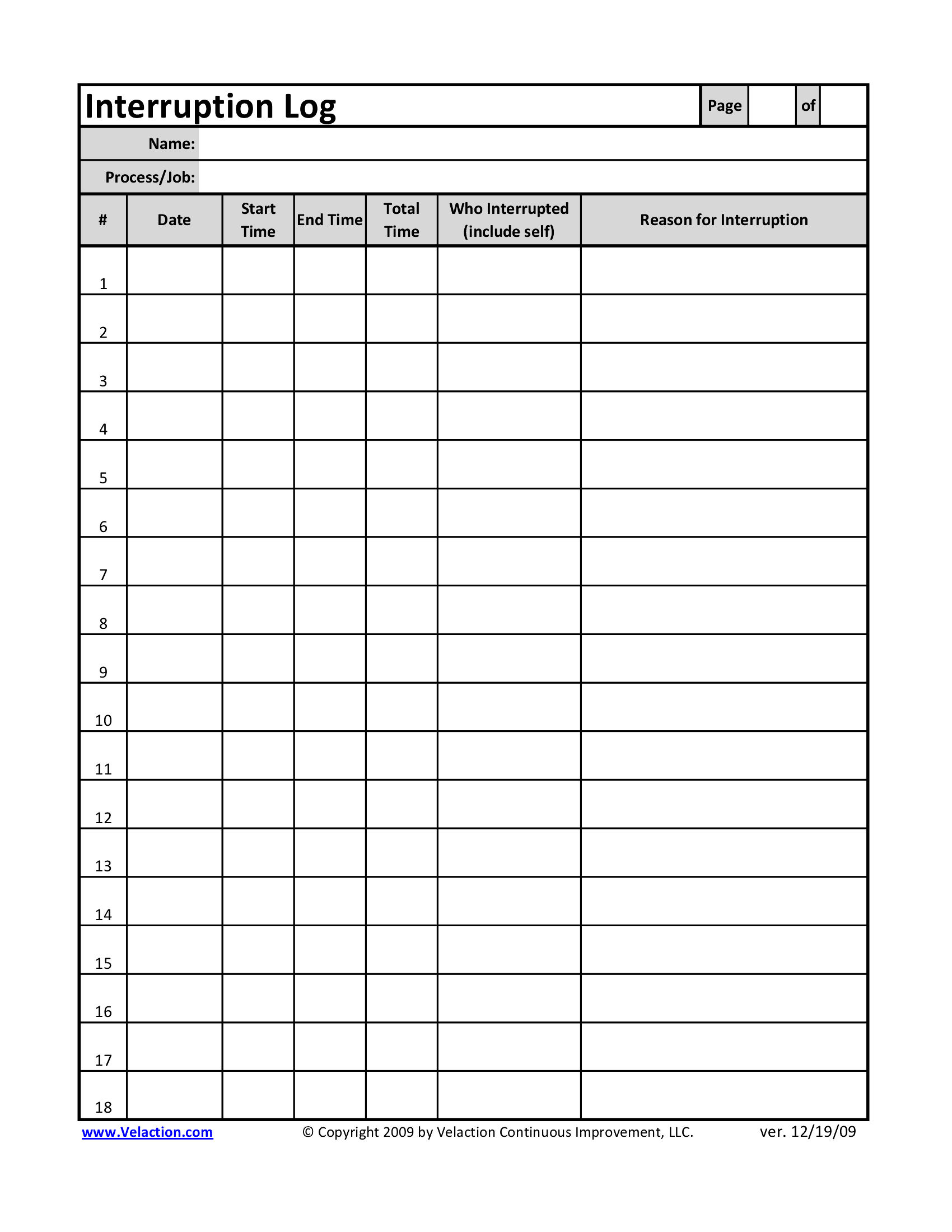
Log interruptions: every time you notice the music (not just “hear” it), make a small mark.
Switch to a second track and repeat.
Keep the winner: pick the track with fewer attention grabs.
This test is surprisingly effective because it replaces “vibes” with measurable results.
Volume, dynamics, and repetition: the 3 knobs that matter most
Think of background music as three knobs you can tune. Genre helps, but these knobs decide whether your music stays supportive or becomes distracting.
Volume (the “presence” knob):
Set it to “audible, but I wouldn’t sing or tap along.” If you’re unconsciously keeping time with your hands, it’s usually too loud.
Dynamics (the “surprise” knob):
Big jumps—from quiet to loud, or sparse to busy—pull attention. For focus, prefer tracks with compressed or naturally even dynamics.
Repetition (the “loopability” knob):
A little repetition helps you settle in; too much becomes numbing. The sweet spot is music that feels consistent but not claustrophobic—lo-fi jazz beats often excel here.
Create a chill jazz background playlist in 10 minutes with MelodyCraft
If you want chill music fast—without hopping between apps, saving scattered tracks, and constantly adjusting—build around one concept: playlist coherence. A coherent background playlist keeps similar tempo, tone, and dynamics so you’re not yanked out of focus every three minutes.
A quick workflow using MelodyCraft Explore:
Pick a single vibe (café jazz, noir, bossa, lo-fi jazz beats).
Filter for instrumental-first options and avoid vocal-forward tracks.
Preview transitions: skip between tracks to ensure volume and energy are consistent.
Export or save once the sequence feels “flat in the best way.”

Pick a vibe first: café jazz, late-night noir, soft bossa, lo-fi jazz beats
To make selection repeatable, define each vibe with a small “keyword rule set.” Here are four you can copy into your own playlist notes.
Café jazz
Instruments: piano trio, brushed drums, upright bass, soft sax
Tempo: slow–mid
Mood words: warm, sunny, conversational, casual
Late-night noir
Instruments: muted trumpet, baritone sax, Rhodes, sparse drums
Tempo: slow–mid, plenty of space
Mood words: smoky, moody, cinematic, spacious
Soft bossa
Instruments: nylon guitar, light percussion, gentle keys, soft horns
Tempo: steady mid (not rushed)
Mood words: breezy, elegant, beachy, calm
Lo-fi jazz beats
Instruments: warm keys, sampled chords, simple bass, tight drums
Tempo: steady low–mid
Mood words: cozy, dusty, repetitive, study-friendly
If you’re unsure which jazz family a vibe comes from, skim a style map like Jazzfuel’s guide to jazz styles—then return to your use case (background vs active listening).
Prompt templates for generating instrumental music that won’t distract
If you’re generating instrumental music (for studying, work, or content), prompts should explicitly control vocals, dynamics, and rhythmic stability. Here are reusable templates you can paste and tweak:
“Instrumental jazz trio, brushed drums, upright bass, warm piano, 80–90 BPM, low dynamics, no vocals, minimal solos, smooth transitions.”
“Lo-fi jazz beats, dusty texture, soft swing feel, steady kick/snare, 70–85 BPM, loopable 8-bar sections, no vocal samples.”
“Café jazz ambience, gentle sax phrases, quiet drums, mid-tempo, consistent volume, no dramatic build, no vocals.”
“Late-night noir jazz, muted trumpet, Rhodes chords, sparse percussion, slow tempo, roomy reverb, low energy, instrumental only.”
“Soft bossa instrumental, nylon guitar rhythm, light percussion, 95–110 BPM, warm mix, low dynamics, no singing.”
“Background music for reading: minimal jazz harmony, slow piano, soft bass, very steady rhythm, no lead melody, no vocals.”
“Office background jazz, smooth groove, consistent drum pattern, 90–105 BPM, avoid sharp cymbals, instrumental.”
“Study-friendly instrumental: warm keys, steady drums, no crescendos, no sax solos, 60–80 BPM, loop-ready.”
Add “no crescendos, no drops, low dynamic range” if your results keep getting cinematic—those are great for trailers, but risky for deep work.
When you need more exports: choosing a plan (free vs paid)
When you’re deciding between free vs paid, ignore the marketing labels and focus on the constraints that actually affect your workflow: how many exports you need, how often you generate, and whether you need higher-quality output for client work or publishing.
A simple decision rule:
Choose free if you’re experimenting, building a personal focus playlist, or validating what “non-distracting” means for you.
Consider paid if you regularly need more downloads/exports, want smoother iteration, or need consistent output quality for content schedules.
For current limits and details, use the official MelodyCraft pricing page as the source of truth.
Can you legally use jazz music as background music in a business or video?
Legality depends on where you play the music and who the audience is. Personal listening is one thing; using jazz music as background music in a café, gym, livestream, or video is often treated differently. A practical overview of business use and licensing pitfalls is outlined in guides like this article on legally playing music in your business.
Use this mindset: the moment your music supports a public-facing experience (customers, followers, clients), you should assume extra rights may be required—even if you’re using a personal streaming account.
Personal streaming ≠ public performance: the common misconception
The most common mistake is assuming that paying for a streaming subscription automatically covers playing music in public. In many cases, it doesn’t.
Three real-world scenarios:
A café plays a personal playlist over speakers: often treated as public performance; may need appropriate licensing.
A gym uses music to shape class energy: higher scrutiny because music is part of the service experience.
A retail chain plays music in multiple locations: risk and licensing complexity increase with scale.
If you’re unsure, look for licensing explanations aimed at businesses (for example, Tunio’s overview of legal music for business). This isn’t legal advice—but it’s a strong reminder to verify rights before you assume you’re covered.
Royalty-free, copyright-free, Creative Commons—what to check before you publish
Before you publish a video (or set music for a business space), run this five-point checklist:
License type: royalty-free doesn’t automatically mean “free,” and “copyright-free” is often used loosely.
Commercial use allowed: confirm your use case (ads, monetized videos, business ambience).
Attribution requirements: some Creative Commons licenses require credit in a specific format.
Platform restrictions: some licenses exclude certain platforms or monetization methods.
Edits and derivatives: confirm whether you can cut, loop, remix, or layer the track.
When in doubt, document what you checked (license page, date, terms). That small habit can save hours later.
FAQ: jazz music, instrumental music, chill music, background music
What’s the difference between chill music and background music?
Q: What’s the difference between chill music and background music?
A: Chill music is chosen to create a relaxed feeling—and it can be something you actively enjoy listening to. Background music is chosen to not interfere with what you’re doing; the best background music is almost forgettable. For example: a lo-fi jazz beat can be both chill and background-friendly, while a dramatic jazz solo might be chill for couch listening but poor for studying.
What is instrumental music (and does it always mean “no vocals”)?
Q: What is instrumental music (and does it always mean “no vocals”)?
A: Instrumental music typically means no lead singing with lyrics, but it may still include humming, wordless vocals, or light vocal samples. For studying and work, the safest priority order is: pure instrumental → wordless/scat → light vocal samples → full lyrics. If your task uses language (reading/writing), move toward the left side of that scale.
What jazz music is best for studying—smooth jazz, lo-fi jazz, or classic?
Q: What jazz music is best for studying—smooth jazz, lo-fi jazz, or classic?
A: Smooth jazz and lo-fi jazz beats are often easiest for studying because they tend to keep volume and rhythm consistent. Classic jazz can also work if you choose calmer records (cool jazz, bossa) and avoid high-energy tracks with big dynamic swings. The best answer is personal—use the 3-minute interruption test to confirm what actually keeps you focused.
Where should I start with jazz music if I only have 30 minutes?
Q: Where should I start with jazz music if I only have 30 minutes?
A: Pick one approachable lane and stay there for the whole session: a cool jazz classic, a bossa set, or a smooth jazz playlist. A simple 30-minute plan is: 0–10 minutes (one iconic track), 10–20 (two similar tracks), 20–30 (one slightly more adventurous pick). If you want community-style suggestions, threads like this discussion on where to start with jazz can be useful—then apply the “beginner route map” above so you don’t jump straight into the deep end.
Make jazz background music in minutes
Turn a simple idea into a usable instrumental track for your next project.